Alvin Air Conditioning Services for Installation Repair and Maintenance
Alvin Air Conditioning Services for Installation Repair and Maintenance
Blog Article
Top Air Conditioning Services to Keep Your Home Comfortable and Cool Year-Round
Keeping a comfortable living space requires efficient air conditioning services. Routine maintenance is vital for the system’s efficiency and durability. Spotting signs of possible problems can avoid expensive repairs. Furthermore, upgrading to energy-efficient units provides lasting savings. Different seasonal tune-ups help enhance performance. Knowing these factors is crucial for homeowners. Yet, many people might miss important warning signs. What are the main signs that suggest your system needs service?
The Essential Nature of Periodic Air Conditioning Servicing
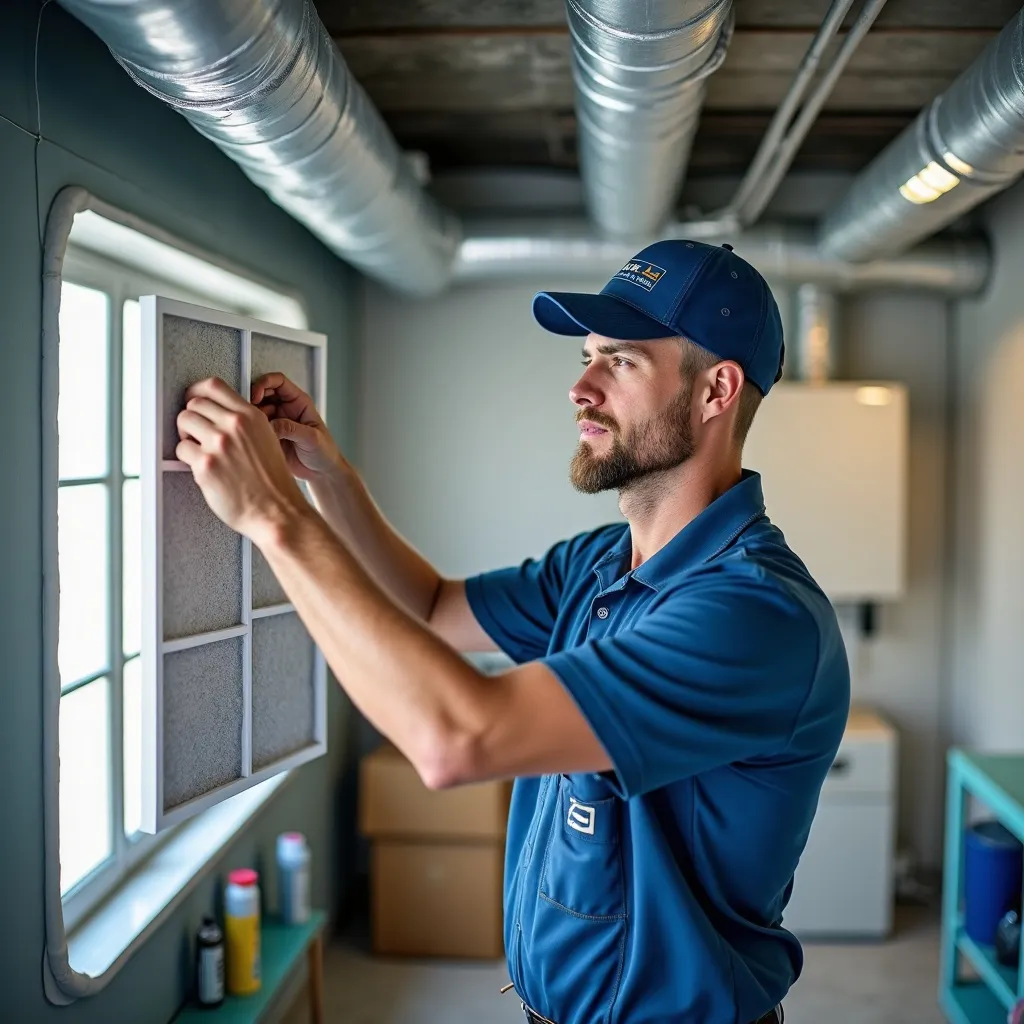
Consistent air conditioning care is critical for peak performance and longevity of the system. A thoroughly serviced air conditioning unit performs more productively, reducing energy consumption and lowering utility bills. Routine evaluations can prevent minor issues from progressing into major problems, ensuring the system runs smoothly throughout the warmer months.
In addition, frequent maintenance enhances air quality indoors by eliminating dust, debris, and allergens that build up in the system. This is particularly critical for households with respiratory issues. Routine inspections commonly include tasks such as cleaning filters, checking refrigerant levels, and inspecting electrical components, which promote overall system reliability.
Investing in routine maintenance not only extends the lifespan of the air conditioning unit but also fosters a cozy home setting. Residents who focus on regular service can enjoy reassurance, recognizing their system is ready for the challenges of temperature variations.
How to Pinpoint When Your AC Needs Maintenance?
Spotting when an cooling unit needs repair is crucial for upholding comfort and efficiency. Warning signs including unusual noises, inconsistent temperature output, and rising energy bills regularly indicate underlying issues. Observing these warning indicators allows property dwellers to act in a timely manner before major troubles happen.
Unusual Noises From Unit
When an AC system begins to produce strange sounds, it often indicates potential issues that may require immediate attention. Typical noises consist of rattling, which may suggest detached parts, or whistling, suggesting a coolant escape. A scraping sound could point to motor problems, while a buzzing sound may denote wiring problems. These sounds not only disrupt comfort but can also result in more extensive damage if neglected. Homeowners should pay attention to these warnings and think about contacting a skilled expert to identify and resolve the root causes. Timely repairs can prevent further complications and guarantee the unit functions properly, preserving a pleasant home space throughout the year. Ignoring these noises may lead to expensive fixes down the line.
Variable Temperature Output
Strange noises coming from an air conditioning system can often signal other signs of malfunction, such as variable temperature readings. Homeowners might notice that certain rooms feel hotter or cooler than others, indicating the system is unevenly distributing air. Furthermore, it might take longer for the unit to reach the desired temperature, causing discomfort. If thermostat settings do not match with the actual room temperature, this inconsistency can reveal an hidden problem. Checking for blocked vents or dirty filters is necessary, since these factors contribute to temperature inconsistencies. Regular maintenance and prompt attention to these signs can help ensure the air conditioning system operates effectively, providing a comfortable living environment all year.
Increased Energy Bills
Homeowners often detect a sudden spike in their energy bills, which can suggest that the air conditioning system needs attention. The increase in energy use is commonly attributed to several underlying problems, such go now as dirty filters, refrigerant leaks, or broken parts. These issues make the system function more, in order to achieve the target temperatures, causing higher operational costs. It is important for homeowners to keep an eye on their energy bills frequently and contrast them against prior months or years for any discrepancies. Furthermore, strange noises or lowered cooling efficiency can be another indicator that repairs are necessary. Taking care of these problems promptly can both restore efficiency and prevent larger problems and costs later on, ensuring a pleasant living space all year long.
Grasping Immediate Air Conditioning Assistance
Emergency AC services are essential for homeowners facing sudden air conditioning failures, especially during the sweltering summer months. Such services deliver quick assistance, ensuring that a faulty unit does not compromise health and indoor comfort. Typical problems needing emergency care include refrigerant leaks, compressor failures, and electrical problems, all of which can lead to inadequate cooling or complete system shutdown.
Homeowners ought to acknowledge the value of maintaining access to reliable emergency services. Fast response times can minimize discomfort and prevent further damage to the system. Moreover, many service providers offer 24/7 availability, catering to urgent needs regardless of the time of day.
Understanding the cues that warrant emergency AC services can empower residents to take immediate action, ensuring their climate control units perform effectively and productively. By valuing these services, residents can maintain a pleasant, cool residential space throughout the most sweltering months of the year.
Benefits to Consider Upgrading to Energy-Efficient AC Units
Upgrading to energy-efficient AC units offers substantial benefits, including lower utility costs. These modern systems not only consume less power but also enhance indoor air quality through better air filtering and moisture regulation. As homeowners look for affordable and more healthy homes, efficient cooling systems offer an attractive option.
Decrease Utility Expenses
Allocating funds to energy-efficient air conditioning units can substantially decrease monthly energy expenses. These new systems apply modern technology to refine energy consumption, resulting in less operational costs. Traditional units often expend unnecessary energy, leading to increased bills during peak usage times. On the other hand, energy-efficient models are designed to consume minimal power while maintaining superior cooling performance. The initial investment in these units can be offset by notable savings over time, making them a financially sound choice for homeowners. Additionally, many energy-efficient air conditioners qualify for rebates and incentives, further amplifying their cost-effectiveness. By upgrading to these units, homeowners not only aid environmental conservation but also enjoy a more economical method of cooling their living spaces.
Enhanced quality of indoor air
Energy-efficient climate control systems not only lower utility costs but also markedly improve indoor air quality. These units are designed with state-of-the-art filters that effectively capture dust, allergens, and pollutants, leading to cleaner air circulation within the home. By reducing humidity levels, energy-efficient models help prevent mold growth and the proliferation of bacteria, contributing to a healthier living environment. Additionally, many of these units operate at a lower noise level than traditional models, minimizing noise pollution and promoting a more serene atmosphere. Upgrading to energy-efficient air conditioning systems not only supports environmental sustainability but also addresses the well-being of the household, making it a smart choice for homeowners seeking both comfort and health benefits.
Regular Seasonal Tune-Ups for Superior Air Conditioning Operation
As the hot season near, guaranteeing an air conditioning system is in peak condition becomes essential for preserving comfort indoors. Seasonal tune-ups play a critical role in optimizing AC efficiency, boosting performance, and prolonging the lifespan of the unit. These extensive maintenance sessions generally involve replacing or cleaning air filters, checking refrigerant levels, and identifying possible leaks. Service professionals also evaluate electrical components, ensure adequate air circulation, and examine the condenser and evaporator coils.
Rapid Fixes for Common AC Problems
Regular tune-ups can help avoid many problems, but even well-maintained air conditioning systems can encounter issues. Homeowners may encounter typical problems such as insufficient cooling, strange noises, or constant cycling. A simple solution for inadequate cooling often requires examining the thermostat configuration and making sure they are set correctly. Additionally, inspecting and cleaning the air filters can enhance airflow and efficiency.
For peculiar noises, house owners should first examine the unit for loose elements or obstructions. Tightening screws and removing obstructions can alleviate many noise-related issues. If the AC repeatedly cycles between on and off, evaluating the compressor and monitoring refrigerant levels can provide solutions.
Ultimately, keeping the outdoor unit free of debris can boost overall performance. While these quick fixes can tackle immediate concerns, seeking a professional for persistent issues is wise to stop further damage.
Instructions to Maximize the Life Expectancy of Your AC System
A well-kept air conditioning system can last substantially longer, ensuring comfort for homeowners season after season. Routine maintenance is vital; this includes replacing filters every one to three months to promote efficient airflow. Professional inspections should occur at least once a year to identify potential issues early.
Removing unwanted materials like leaves and dirt from the outdoor unit helps maintain peak performance. Homeowners should also verify that vents and registers are unobstructed to allow proper air circulation throughout the home.
Furthermore, setting the thermostat to a balanced temperature can reduce strain on the system. Installing a programmable thermostat allows for superior energy management.
Finally, installing a power protection device can defend the unit from electrical damage. By sticking with these practices, homeowners can markedly lengthen the lifespan of their air conditioning systems while relishing a comfortable living environment.
Regularly Asked Questions
What is the standard cost for Air Conditioning Maintenance Service?
AC maintenance generally expenses ranging from $75 and $200 per visit, contingent upon factors such as system type and technician. Regular maintenance can prolong the unit's longevity and boost efficiency, in the end saving on electricity expenses.
How Can You Spot the Symptoms of a Refrigerant Leak?
Symptoms of a refrigerant leak are marked by hissing sounds, weakened cooling ability, icy coil conditions, and mounting energy bills. These markers imply a need for qualified review to forestall escalating damage to the air conditioning system.
Can I Set up an Air Conditioning System Myself?
He figured out that personally installing an AC unit was achievable, but necessitated technical knowledge and tools. Examining professional guidelines and factoring in local regulations were vital to confirm safety and compliance with installation standards.
How Often Do I Need to Replace My AC Filter?
Air filters need to be replaced every one to three months, contingent on consumption and the variety of filter. Consistent replacement boosts air quality and system effectiveness, over time lengthening the longevity of the air conditioning unit.
How Much Time Can You Expect from an Air Conditioning Unit?
An air conditioning unit's average lifespan typically spans 15 to 20 years, contingent upon maintenance, usage, and model quality. Routine maintenance may extend its lifespan, guaranteeing peak performance throughout its operational life.
Report this page