Choose Alvin Air Conditioning Services for Expert HVAC Solutions
Choose Alvin Air Conditioning Services for Expert HVAC Solutions
Blog Article
Leading Air Conditioning Services to Keep Your Home Pleasant and Cool Throughout the Year
Ensuring a comfortable home environment relies on effective air conditioning services. Consistent maintenance is necessary for system performance and lifespan. Detecting signs of potential issues can save costly repairs. Moreover, switching to energy-efficient units brings long-term savings. Seasonal tune-ups at various times can improve performance. Comprehending these elements is vital for homeowners. Still, many often overlook crucial warning signs. What are the key symptoms that suggest your system requires attention?
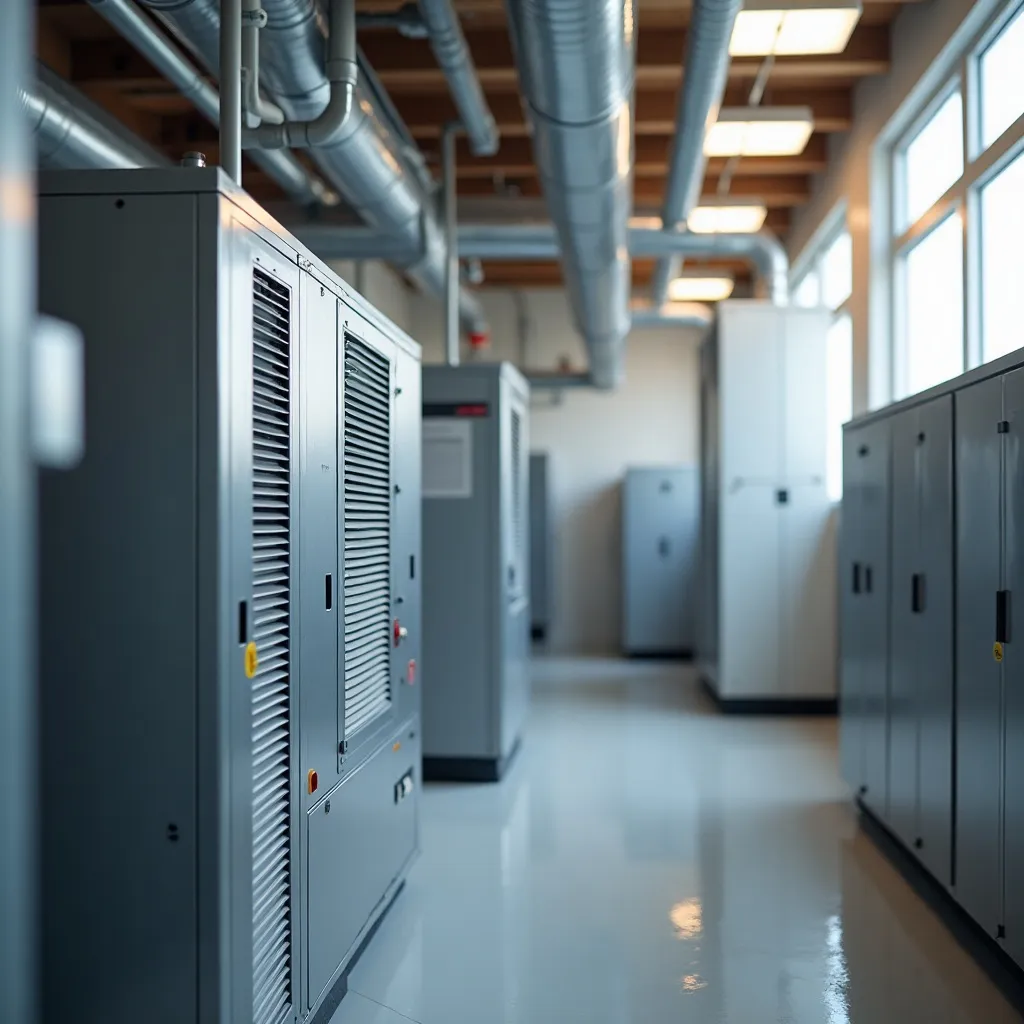
The Vital Importance of Regular Air Conditioning Maintenance
Consistent air conditioning maintenance is essential for superior operation and extended service life of the system. A thoroughly serviced air conditioning unit performs more efficiently, decreasing energy consumption and lowering utility bills. Routine evaluations can prevent minor issues from progressing into major problems, ensuring the system runs smoothly throughout the warmer months.
Furthermore, consistent maintenance enhances indoor air quality by eliminating dust, debris, and allergens that build up in the unit. This is especially important for households with breathing issues. Periodic evaluations often involve tasks such as filter cleaning, refrigerant level checks, and electrical component inspection, which contribute to overall system reliability.
Investing in preventive care not only increases the durability of the air conditioning unit but also supports a cozy home setting. Residents who prioritize periodic upkeep can savor reassurance, knowing their system is prepared to handle the challenges of temperature variations.
How to Detect When Your AC Requires Service?
Identifying when an AC system requires maintenance is essential for preserving comfort and optimal performance. Signs such as strange sounds, inconsistent temperature output, and increased utility costs often guide indicate underlying issues. Noticing these symptoms can help homeowners take timely action before more significant problems develop.
Odd Noises Originating From Unit
When an cooling system starts making strange sounds, it often signals potential issues that may require immediate attention. Typical noises consist of rattling, which may indicate loose components, or hissing, indicating a refrigerant leak. A scraping sound could point to engine issues, while a humming noise may signify wiring problems. These noises not only disturb your peace but can also lead to more extensive damage if neglected. Homeowners should pay attention to these warnings and think about contacting a skilled expert to identify and resolve the root causes. Prompt maintenance can avoid additional issues and ensure the unit functions properly, maintaining a pleasant home space year-round. Ignoring these noises may result in expensive fixes eventually.
Fluctuating Temperature Performance
Strange sounds coming from an air conditioning system can often precede other signs of dysfunction, such as inconsistent temperature output. Homeowners might observe that certain rooms feel warmer or cooler than others, indicating the system is unevenly distributing air. Furthermore, it might take longer for the unit to reach the set temperature, causing discomfort. If thermostat settings do not match with the actual room temperature, this inconsistency can reveal an hidden problem. Checking for blocked vents or dirty filters is necessary, since these factors contribute to temperature variations. Regular maintenance and prompt attention to these signs can help ensure the air conditioning system operates efficiently, providing a comfortable living environment all year.
Increased Utility Bills
It is common for homeowners to notice a sudden rise in their energy bills, which can alert that the air conditioning system requires attention. Increased energy consumption is often the result of a number of underlying faults, like dirty filters, refrigerant leaks, or malfunctioning parts. These faults make the system work harder to maintain the desired temperatures, which leads to higher operational costs. Homeowners should monitor their energy bills regularly and review them against past periods or years for discrepancies. Also, unusual sounds or reduced cooling efficiency can further indicate that service are required. Fixing these problems quickly can both improve efficiency and avoid bigger issues and costs down the line, providing a comfortable living space throughout all seasons.
Grasping Immediate Air Conditioning Assistance
Emergency air conditioning assistance are essential for property owners encountering unexpected cooling unit failures, especially during the sweltering summer months. Such assistance offer immediate assistance, ensuring that a malfunctioning unit does not impact indoor comfort and health. Frequent issues demanding emergency care include refrigerant leaks, compressor failures, and electrical problems, all of which can cause poor cooling or complete system shutdown.
Homeowners need to recognize the critical nature of having entry to dependable emergency services. Swift response rates can minimize discomfort and avert further damage to the system. Also, many service providers deliver 24/7 availability, addressing urgent needs regardless of the time of day.
Recognizing the indicators that demand urgent cooling services can inspire property owners to act quickly, making sure their AC units run productively and efficiently. By emphasizing these needs, property owners can maintain a cozy, cool household atmosphere throughout the hottest months of the year.
The Case For Moving to Low-Energy AC Units
Installing energy-efficient AC units delivers substantial benefits, including lower electricity expenses. These contemporary air conditioners not only use less electricity but also enhance indoor air quality via improved filtration and humidity control. As homeowners seek affordable and more health-conscious homes, energy-efficient models serve as a compelling solution.
Decrease Utility Expenses
Putting money into power-saving air conditioning units can greatly reduce monthly energy bills. These up-to-date systems utilize advanced technology to boost energy consumption, resulting in lower operational costs. Traditional units often lose energy, leading to inflated bills during peak usage times. Conversely, energy-efficient models are made to use less energy while ensuring high-quality cooling performance. The initial cost in such units can be offset by significant savings over time, making them a financially sound choice for homeowners. Additionally, many energy-efficient air conditioners qualify for rebates and incentives, further increasing their cost-effectiveness. By upgrading to these units, homeowners not only contribute to environmental sustainability but also enjoy a more economical way to cool their living spaces.
Enhanced quality of indoor air
Energy-efficient air conditioning units not only lower energy bills but also greatly enhance indoor air quality. These units are designed with sophisticated filters that effectively trap dust, allergens, and pollutants, leading to cleaner air circulation within the home. By reducing humidity levels, energy-efficient models help prevent mold growth and the proliferation of bacteria, contributing to a healthier living environment. Additionally, many of these units operate more quietly than traditional models, minimizing noise pollution and promoting a more serene atmosphere. Upgrading to energy-efficient air conditioning systems not only supports environmental sustainability but also focuses on the well-being of the household, making it a smart choice for homeowners seeking both comfort and health benefits.
Seasonal Check-Ups for Top-Notch Air Conditioning Performance
When the warmer months begin, making sure your air conditioning system remains in peak condition becomes essential for maintaining indoor comfort levels. Seasonal maintenance appointments are fundamental in optimizing AC operation, enhancing effectiveness, and extending the system's lifespan. These thorough maintenance appointments generally include cleaning or replacing air components, inspecting refrigerant levels, and checking for potential leaks. Cooling specialists also review electrical components, guarantee proper air circulation, and inspect the evaporator and condenser coils.
Rapid Fixes for Everyday AC Issues
Regular tune-ups can help prevent many problems, but even properly maintained air conditioning systems can encounter issues. Homeowners may encounter common issues such as insufficient cooling, unusual sounds, or constant cycling. A simple solution for inadequate cooling often requires checking the thermostat settings and ensuring they are set correctly. Furthermore, inspecting and cleaning the air filters can enhance air circulation and performance.
For odd noises, property owners should first examine the unit for loose parts and debris. Fastening fasteners and eliminating obstructions can relieve many noise problems. If the AC constantly turns on and off, evaluating the compressor and monitoring refrigerant levels can present solutions.
In conclusion, ensuring the outdoor unit remains clear of debris can boost overall performance. While these quick solutions can tackle immediate issues, seeking a professional for persistent concerns is advisable to avoid further deterioration.
Guide to Maximize the Life Expectancy of Your AC System
A well-maintained air conditioning system can last notably longer, providing comfort for homeowners year after year. Consistent upkeep is necessary; this includes swapping filters every one to three months to improve efficient airflow. Specialist evaluations should happen at least once a year to identify potential issues early.
Keeping the outdoor unit clear of debris, such as leaves and dirt, helps sustain peak performance. Homeowners should also confirm that vents and registers are clear to allow proper air circulation throughout the home.
In addition, adjusting the thermostat to a temperate temperature can reduce strain on the system. Installing a programmable thermostat allows for enhanced energy management.
Finally, establishing a surge suppressor can guard the unit from electrical damage. By following these guidelines, homeowners can considerably extend the service life of their air conditioning systems while enjoying a comfortable living environment.
Frequently Commonly Questions
What is the usual price of Air Conditioning Maintenance?
AC maintenance generally expenses between $75 and $200 per visit, contingent upon factors such as equipment model and service provider. Regular maintenance can lengthen the equipment's lifespan and boost efficiency, ultimately cutting back on energy costs.
What Are the Signs of a Coolant Leak?
Indicators of a refrigerant leak encompass hissing sounds, lower cooling capacity, frozen coils, and elevated energy bills. These symptoms indicate a necessity for skilled assessment to prevent further deterioration to the air conditioning system.
Am I Able to Installing an Air Conditioning Unit On My Own?
He verified that setting up an AC unit on his own was viable, but required expert understanding and necessary equipment. Studying professional guidelines and evaluating local regulations were significant to validate safety and compliance with installation standards.
When Should I Change My AC Air Filter Regularly?
Air filters ought to be swapped out every one to three months, determined by usage and the type of filter. Frequent changing boosts air quality and system effectiveness, in the end lengthening the lifespan of the air conditioning unit.
What is the Standard Span of an Air Conditioning Unit's Operational Period?
The typical lifespan of an air conditioning unit typically ranges from 15 to 20 years, depending on maintenance, usage, and model quality. Routine maintenance can prolong its lifespan, ensuring peak performance throughout its operational life.
Report this page